Osteopathic Philosophy

What is Osteopathy?

An independent form of manual medicine focused on the whole person as an interconnected unit — never merely on isolated symptoms.

Osteopathy is an independent form of medicine. It focuses on manual therapy techniques to detect, treat, and prevent functional disorders. Central to osteopathic practice is the belief that the body can heal itself — therefore the focus is on the patient and their overall health rather than on symptoms alone.

In osteopathic philosophy, the body is treated as a whole because every cell, structure, and movement interacts with and influences the next. Crucial importance is placed on both overall bodily mobility and the inherent micro-motion of individual tissues and structures.

When free movement is restricted, tissue tension and dysfunction can develop. Using a finely trained sense of touch, the osteopath detects and gently treats these blockages to support the body’s self-healing capacity and restore natural balance. Because every component influences the whole system, dysfunction in one area can frequently trigger discomfort in a completely different region.

The Three Areas

Holistically Intertwined

Within osteopathy, three complementary disciplines are distinguished. Following holistic principles, they cannot be separated and continuously influence one another.

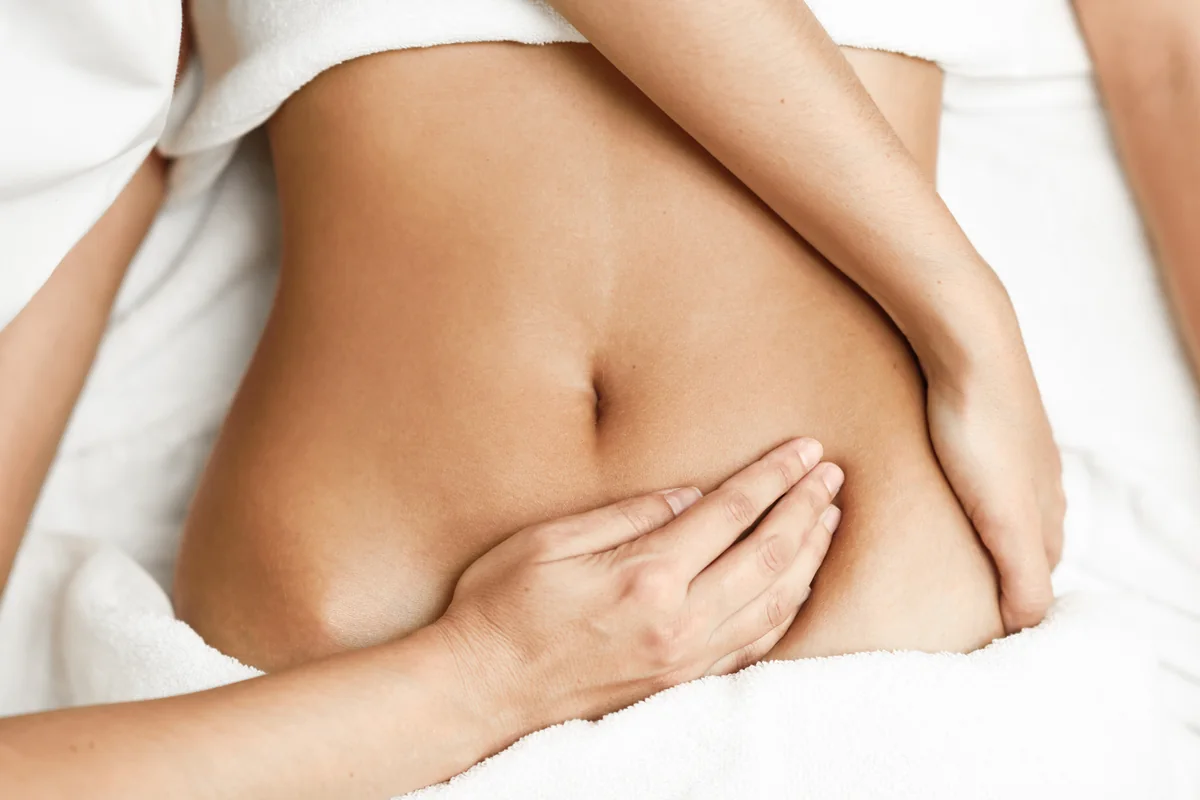
Gentle manual visceral osteopathy treatment
01 · Internal Organs, Vessels & Nerve Pathways

Visceral Osteopathy

Visceral osteopathy treats the internal organs along with their blood and lymph vessels as well as their nerve pathways.

Internal organs and their surrounding structures can become impaired in function due to restricted mobility. Visceral osteopathy identifies and gently treats these areas of tension, looking at the relationship between physical structure and organ function.

Foundation for understanding complaints such as:

  • Diarrhea & constipation
  • Bloating & flatulence
  • Abdominal pain & cramps
  • Reflux
  • Heartburn & acid indigestion
  • Menstrual irregularities & unfulfilled desire to conceive
  • Breathing difficulties & asthma
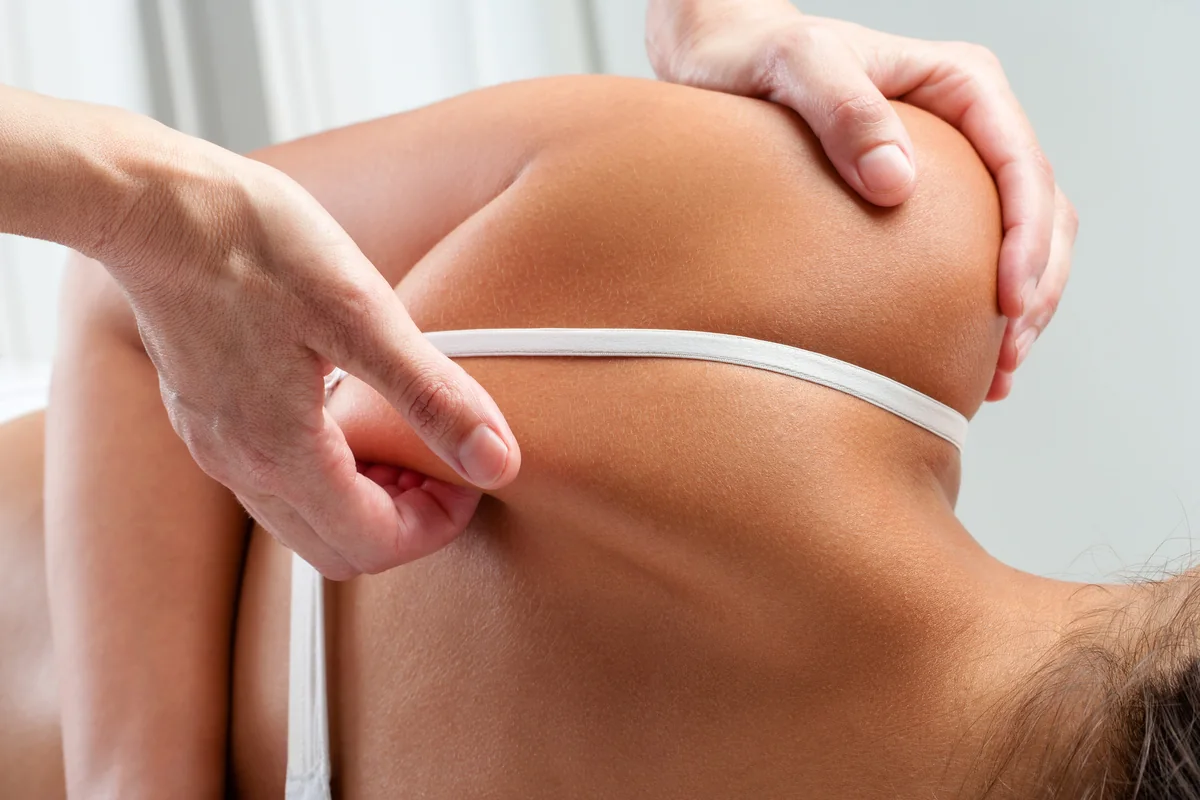
Manual parietal osteopathy on shoulder and fascia
02 · Muscles, Tendons, Ligaments, Fascia & Joints

Parietal Osteopathy

Structural (parietal) osteopathy focuses on the mechanical balance of muscles, bones, tendons, ligaments, fascia, and joints.

Joints and connective tissues are carefully examined for movement restrictions and tension, then released using gentle, targeted manual techniques to restore natural mobility.

Foundation for understanding complaints such as:

  • Quantitative & qualitative movement restrictions
  • Joint blockages, joint & muscle pain
  • Muscular tension & tension headaches
  • Lumbago (acute lower back pain)
  • Whiplash injuries
  • Back, neck, shoulder, knee & hip pain
  • Acute & chronic pain
  • Complaints following trauma or surgery
  • Breathing difficulties
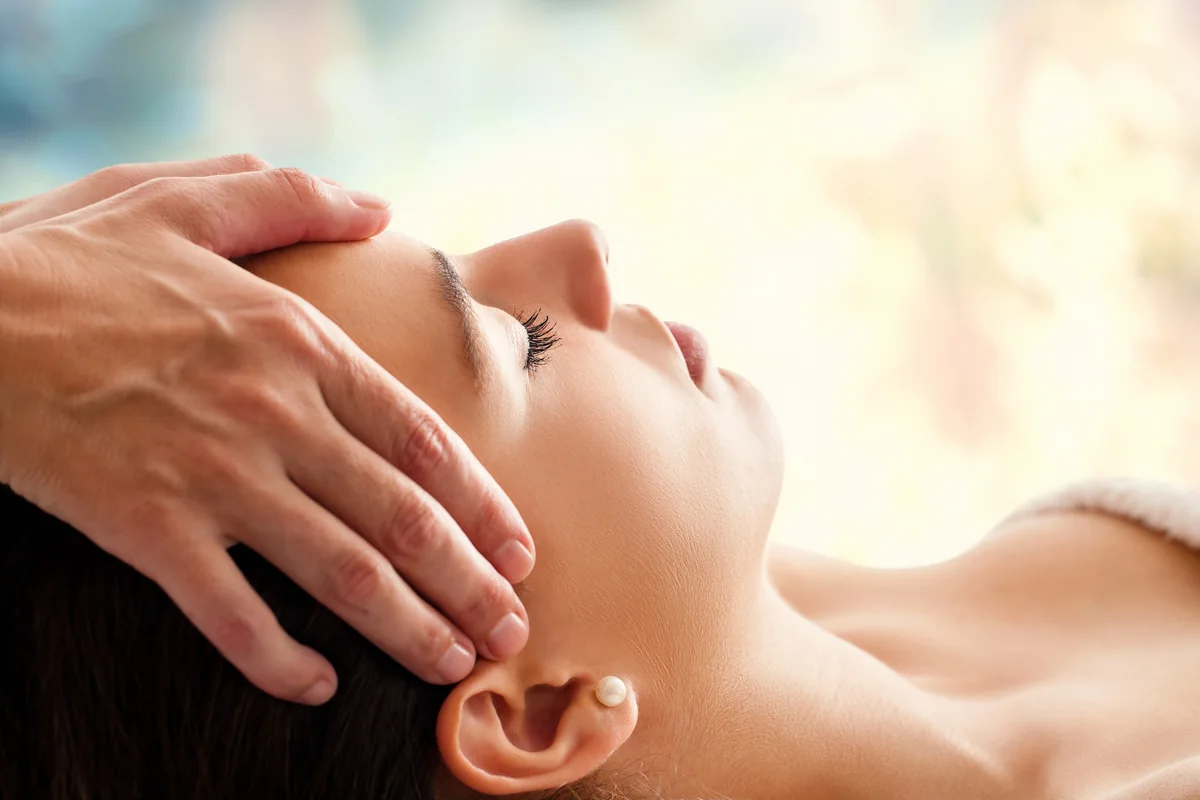
Gentle craniosacral osteopathy treatment
03 · Skull, Sacrum, Meninges & Nervous System

Craniosacral Osteopathy

Craniosacral osteopathy focuses on the treatment of the skull and sacrum and their functional connection along the spine.

This includes the individual bones of the skull, cerebrospinal fluid, the meninges protecting the brain and spinal cord, and the nervous system — addressed through remarkably gentle, calming techniques.

Foundation for understanding complaints such as:

  • Migraines & headaches
  • Tinnitus
  • Teeth grinding & jaw clenching
  • Temporomandibular joint (TMJ) complaints
  • Inner restlessness & tension
  • Sleep disorders
  • Dizziness
  • Fatigue & exhaustion

Interface with Conventional Medicine

Limitations of Osteopathy

Like any therapeutic method, osteopathy has clear medical boundaries. In acute emergencies, immediate medical care from a doctor or emergency service is essential.

Once an acute emergency has been resolved, conventional medical treatment and osteopathic therapy work wonderfully side by side to support recovery.

Seek immediate medical care in emergencies such as:

  • Acute bone fractures
  • Acute lesions and severe injuries
  • Acute systemic conditions (e.g., heart attack, stroke, severe bleeding)
  • Acute allergic reactions
See How a Treatment Works
Call Book Visit
Website erstellt von AlteaCloud