What is osteopathy?
Osteopathy is a distinct form of medicine. It is a manual therapy whose goal is to identify and treat functional disorders. Within the osteopathic concept, the individual, not the symptom or illness, is the focus of all treatment.
In osteopathy, the organism is viewed as a unit in which every cell, every structure, and every function is interconnected. Therefore, crucial importance is attached to the mobility of the body as a whole, as well as to the inherent movement of individual structures and tissues.
If this free movement is restricted, it can be concluded that there are inharmonious, i.e., blocked, functions and structures within the body. If the body is unable to regulate this imbalance through its own self-healing powers, tissue tension initially develops, which can lead to dysfunction and discomfort. This so-called dysfunction must be detected and treated with the help of an osteopath's trained sense of touch, so that balance in the body is restored.
Since the body functions as a unit composed of many individual components, all of which are interconnected and influence one another, the impaired function of one component can have a functional impact on the entire system. Thus, dysfunction in one area of the body can trigger symptoms in a completely different region.
Within osteopathy, three areas are distinguished.
According to the principle of holism, they cannot be separated from one another and influence each other.
Visceral osteopathy
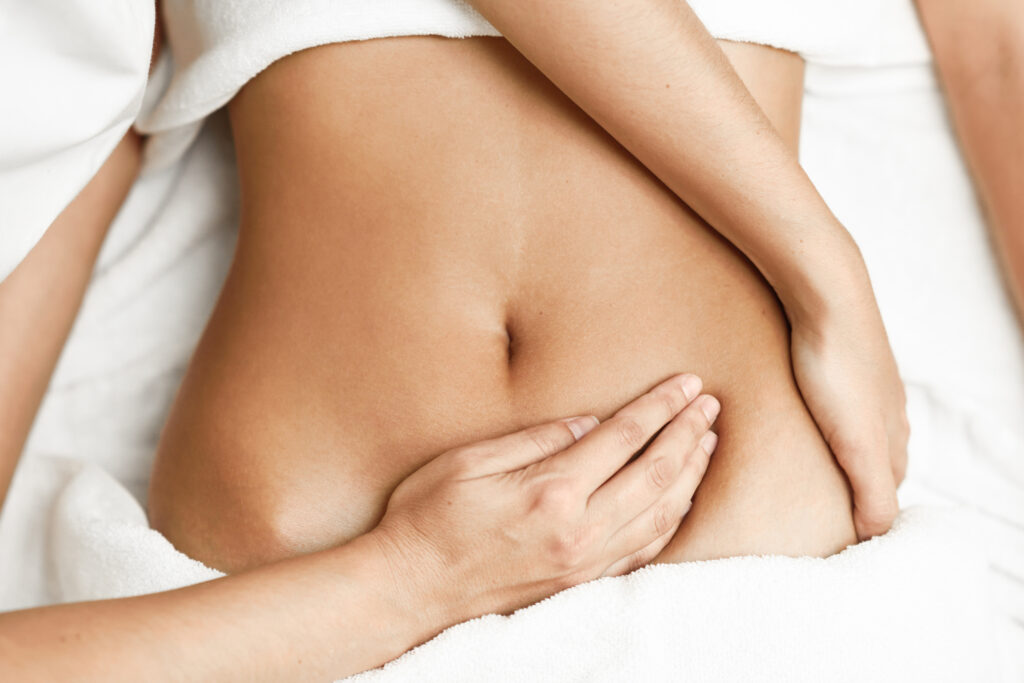
Visceral osteopathy treats the internal organs with their blood and lymph vessels, as well as their nerve pathways.
Internal organs and surrounding structures can be impaired in their function due to restricted movement. Visceral osteopathy can detect and treat these disturbances.
Visceral osteopathy forms the foundation for understanding health problems such as:
^ Diarrhea/Constipation
^ Flatulence
^ Abdominal pain/cramps
^ Reflux
^ Heartburn
^ Menstrual problems, unfulfilled desire to have children
^ Breathing difficulties/asthma
Parietal osteopathy
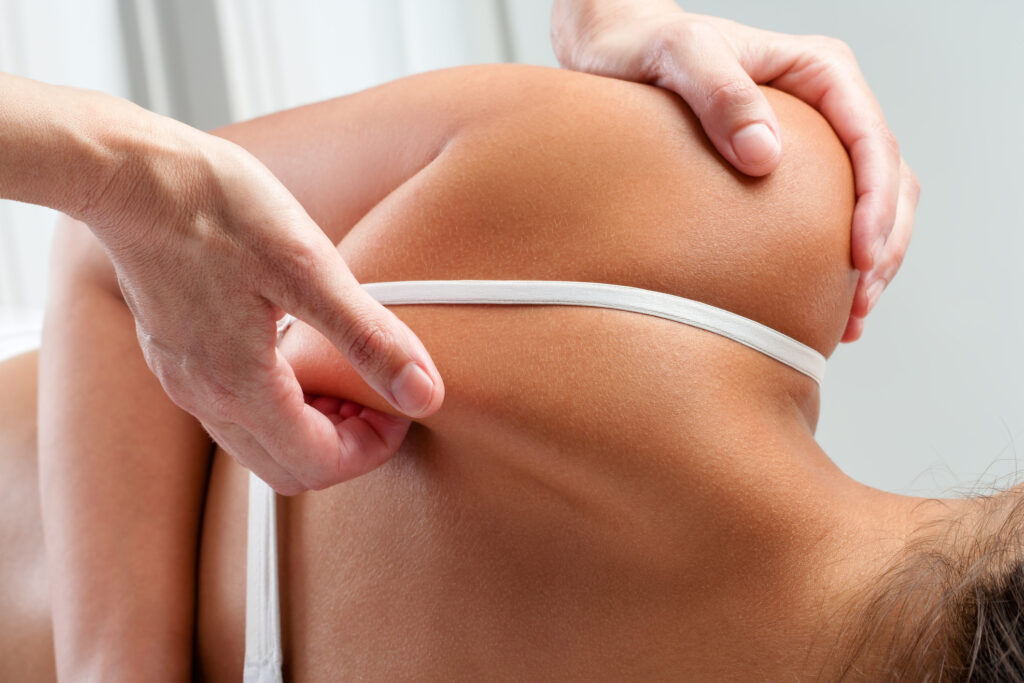
This branch of osteopathy focuses on muscles, tendons, ligaments, fascia, and joints. These are examined for movement restrictions and treated accordingly.
Parietal osteopathy forms the foundation for understanding health problems such as:
^ Quantitative and qualitative movement restrictions
^ Joint blockages, joint and muscle pain
^ Tension, tension headaches
^ Lumbago
^ Whiplash
^ Back and neck pain, shoulder pain, knee and hip pain…
^ acute/chronic pain
^ Complaints after trauma/surgery
^ Breathing difficulties
Cranio-sacral osteopathy
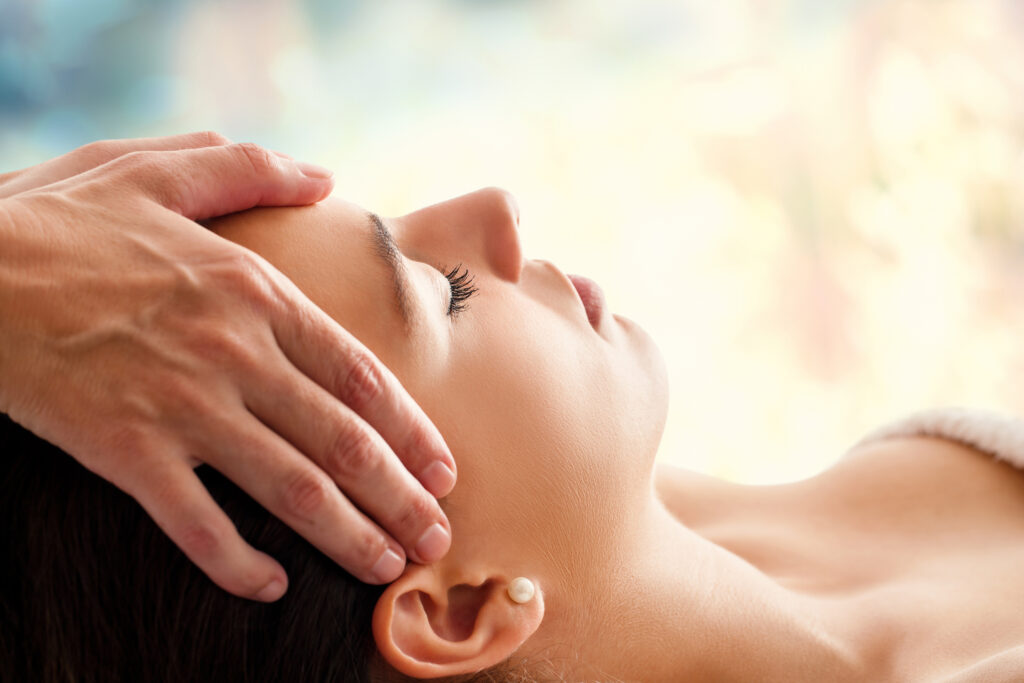
Craniosacral osteopathy deals with the treatment of the skull and sacrum, as well as their functional connection.
These include the individual skull bones, cerebrospinal fluid, the meninges and the nervous system.
Craniosacral osteopathy forms the foundation for understanding health problems such as:
^ Migraines and headaches
^ Tinnitus
^ Teeth grinding and clenching
^ Temporomandibular joint problems
^ inner restlessness and tension
^ Sleep disorders
^ Dizziness
^ Fatigue
The above-mentioned medical conditions are merely examples. They are a random selection of symptoms that can be treated with this form of therapy. Not every medical condition is an indication for osteopathic treatment. In the case of health problems, a consultation with a specialist is required. No promise of a cure is made here.
Limits of osteopathy
Like any other treatment method, osteopathy has its limitations. In an emergency, immediate medical attention is required, including in the following cases:
– acute fractures
– acute lesions
– acute, systemic diseases such as heart attack, stroke, severe bleeding
– acute allergic reactions
Once the acute emergency and the acute symptom have been resolved, conventional medical treatment can be effectively combined with osteopathic therapy. Osteopathy can be used as a supportive and complementary treatment.
This is where the interface between osteopathy and conventional medicine lies, so that the two treatments can easily be carried out simultaneously without affecting each other.